
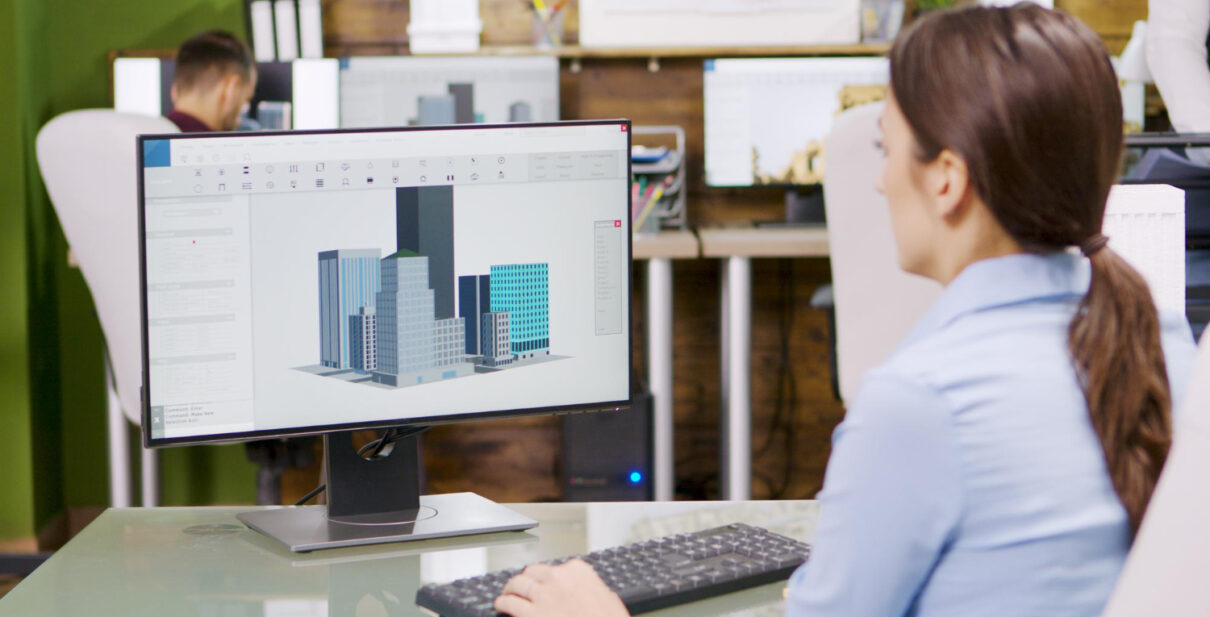
Discover how BIM solutions and Scan to BIM technology are reshaping architectural design, improving efficiency, and driving digital transformation.
In today’s fast-paced and digitally driven world, architecture is no longer limited to pen, paper, and physical blueprints. One of the most transformative forces reshaping this field is Building Information Modeling (BIM). With powerful BIM solutions like 3D modeling, data integration, and Scan to BIM workflows, architects now design smarter, collaborate better, and build more efficiently. At the forefront of this digital shift is the growing adoption of BIM across architectural firms, large and small — including the experts at Sync Edge BIM.
Let’s explore how BIM is revolutionizing the architecture industry and why it’s not just a trend, but the future of smart design.
What is BIM and Why It Matters in Architecture
Building Information Modeling (BIM) is a process that involves creating and managing digital representations of physical and functional characteristics of places. More than just 3D modeling, BIM integrates data across the project lifecycle — from conceptual design to construction, operations, and maintenance.
For architects, BIM offers a dynamic and intelligent platform that enhances visualization, supports decision-making, and facilitates collaboration. The days of static floor plans and isolated design files are over. BIM makes it possible to simulate real-world performance, reduce errors, and align with sustainable building practices.
1. Enhancing Visualization and Conceptual Design
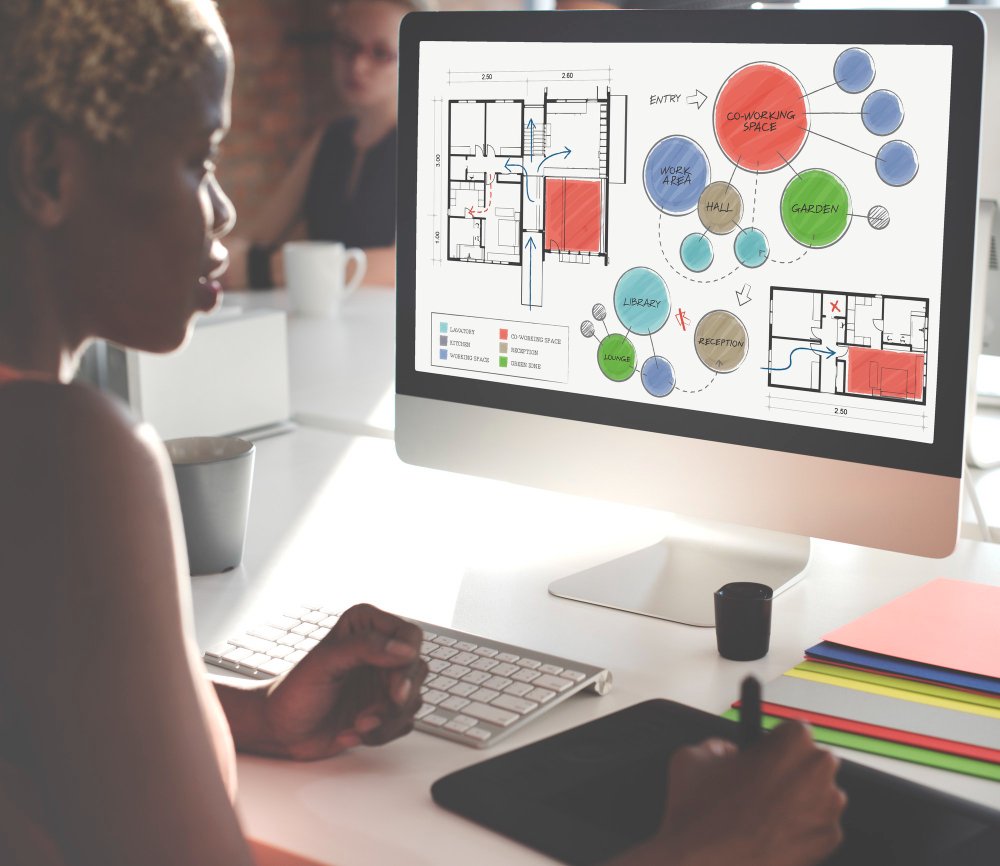
One of the most immediate benefits of BIM solutions is their ability to bring ideas to life. Traditional blueprints are limited in how much they can show. BIM, on the other hand, allows architects to create immersive 3D models with accurate geometry, textures, and lighting simulations.
This enhanced visualization helps:
- Convey ideas clearly to clients
- Identify design flaws early
- Explore various design alternatives quickly
Architects can now walk clients through a virtual building before a single brick is laid — a feature that enhances engagement and approval rates.
2. Data-Driven Design with Real-Time Insights
With BIM, architectural design becomes more data-centric. A building model in BIM doesn’t just look good — it knows things. Every element (walls, windows, materials) carries embedded data about performance, costs, and lifecycle.
This leads to:
- More informed decision-making
- Accurate quantity take-offs and estimates
- Energy efficiency optimization from the start
BIM allows integration with performance analysis tools, enabling architects to meet energy codes, sustainability goals, and client requirements with ease.
3. Improved Collaboration and Coordination

Architecture doesn’t work in isolation. It depends on seamless collaboration between architects, structural engineers, MEP consultants, and contractors. BIM breaks the silos by offering a shared model where everyone can work concurrently.
Thanks to cloud-based BIM platforms, teams can:
- Share updates in real-time
- Avoid costly rework due to clashes
- Track design changes and approvals efficiently
Clash detection becomes a game-changer, as potential conflicts between HVAC ducts, plumbing, and structural elements are caught before they become on-site problems.
4. Scan to BIM: Bridging the Past and Future
One of the most exciting applications in architecture is Scan to BIM — a process where 3D laser scans of existing buildings are converted into BIM models. This is particularly valuable for renovation, restoration, and adaptive reuse projects.
Scan to BIM benefits include:
- Accurate digital records of legacy buildings
- Reduced on-site surveys and manual measurements
- Faster as-built modeling and condition assessment
Sync Edge BIM uses high-resolution laser scanning to capture even the finest details of complex structures. These scans are then transformed into intelligent models ready for renovation or extension projects — a powerful bridge between old architecture and new possibilities.
5. Enabling Sustainable and Smart Design

With climate change at the forefront of global concerns, architects are under pressure to design energy-efficient and sustainable buildings. BIM supports this mission by enabling analysis of energy use, solar exposure, material selection, and carbon footprint.
Using BIM, architects can:
- Simulate energy performance during early design stages
- Choose low-impact materials and construction methods
- Achieve certifications like LEED or BREEAM more easily
BIM also supports smart building design by integrating IoT and automation concepts into the model — leading to intelligent, responsive structures that adapt to occupants’ needs.
6. Lifecycle Management Beyond Construction
BIM doesn’t stop once construction is complete. It extends into the operations and maintenance phase, offering Facility Management (FM) teams a rich dataset for managing the building more efficiently.
For architecture firms, this means:
- Delivering long-term value to clients
- Building trust through future-ready designs
- Enabling digital twins for monitoring and analytics
Imagine a building where every door hinge, light fixture, or air conditioner is linked to a data point in a digital model. That’s the future BIM is already building — and architecture is leading the way.
7. Reducing Costs and Delays

Design changes are inevitable. But with traditional methods, late-stage changes lead to delays, material waste, and budget overruns. BIM helps mitigate these risks through:
- Real-time model updates
- Accurate cost forecasting
- Automated scheduling and sequencing
By simulating the construction process digitally before the actual build, BIM helps minimize surprises and reduce the need for expensive on-site fixes.
8. Meeting Regulatory Requirements
Architecture today is bound by strict codes, safety regulations, and compliance checks. BIM helps by automating many of these verifications and ensuring models adhere to local and international standards.
From fire safety analysis to accessibility guidelines, BIM allows architects to:
- Validate their designs quickly
- Produce compliant documentation
- Reduce risks of regulatory issues
Many jurisdictions are now mandating BIM for public projects, making its adoption not just beneficial — but essential.
Why Choose Sync Edge BIM?
At Sync Edge BIM, we specialize in delivering cutting-edge BIM solutions tailored for architectural innovation. Whether it’s Scan to BIM for historical buildings or end-to-end BIM implementation for new projects, our team brings deep expertise, precision, and passion to every model.
We help architecture firms unlock:
- Faster design iterations
- Higher project quality
- Long-term ROI through data-rich models
Our commitment to quality, accuracy, and forward-thinking design tools positions us as a trusted BIM partner for architecture firms worldwide.
Final Thoughts
The architecture industry stands at the crossroads of tradition and transformation — and Building Information Modeling is the compass guiding the way forward. From design and collaboration to construction and facility management, BIM offers unparalleled value and efficiency.
For firms looking to innovate, grow, and thrive in this digital era, embracing BIM is no longer optional — it’s the new standard. And with reliable partners like Sync Edge BIM, the future of architecture looks smarter, more sustainable, and infinitely more exciting.
Ready to revolutionize your architecture projects with BIM?
Contact Sync Edge BIM today and discover how our tailored BIM solutions and Scan to BIM services can bring your vision to life — faster, smarter, and with absolute precision.